MENU

The ops foundation you build before the shock arrives

Sean Christman has been VP of Operations at Cuts for 8 years. He wasn't hired into a mature function. He built it from the ground up while the brand was still figuring out what it was.

In those 8 years he's navigated Facebook arbitrage, COVID demand spikes, post-COVID recalibration, and 2025 tariff volatility. Every time, the foundation held. Not because the brand got lucky, but because Sean spent those 8 years deliberately building an ops function designed to absorb what it couldn't predict.

He calls the underlying mindset "source of truth" thinking. In this episode of Behind the Stack, he unpacks what that actually looks like in practice.
"If we can fix it, let's fix it. If we can't fix it, let's mitigate it. And if we can't mitigate it, let's deal with it."

Sean Christman, VP of Operations, Cuts

Kabir Samtani from Fulfil joins us for this one.

We cover Cuts's migration from NetSuite to Fulfil, and what actually drove it. Sean's honest: NetSuite never found a good spot in the team's rhythm. The finance team used it. Everyone else built workarounds. Moving to Fulfil was about building a system the whole team actually works in, not just reports from.

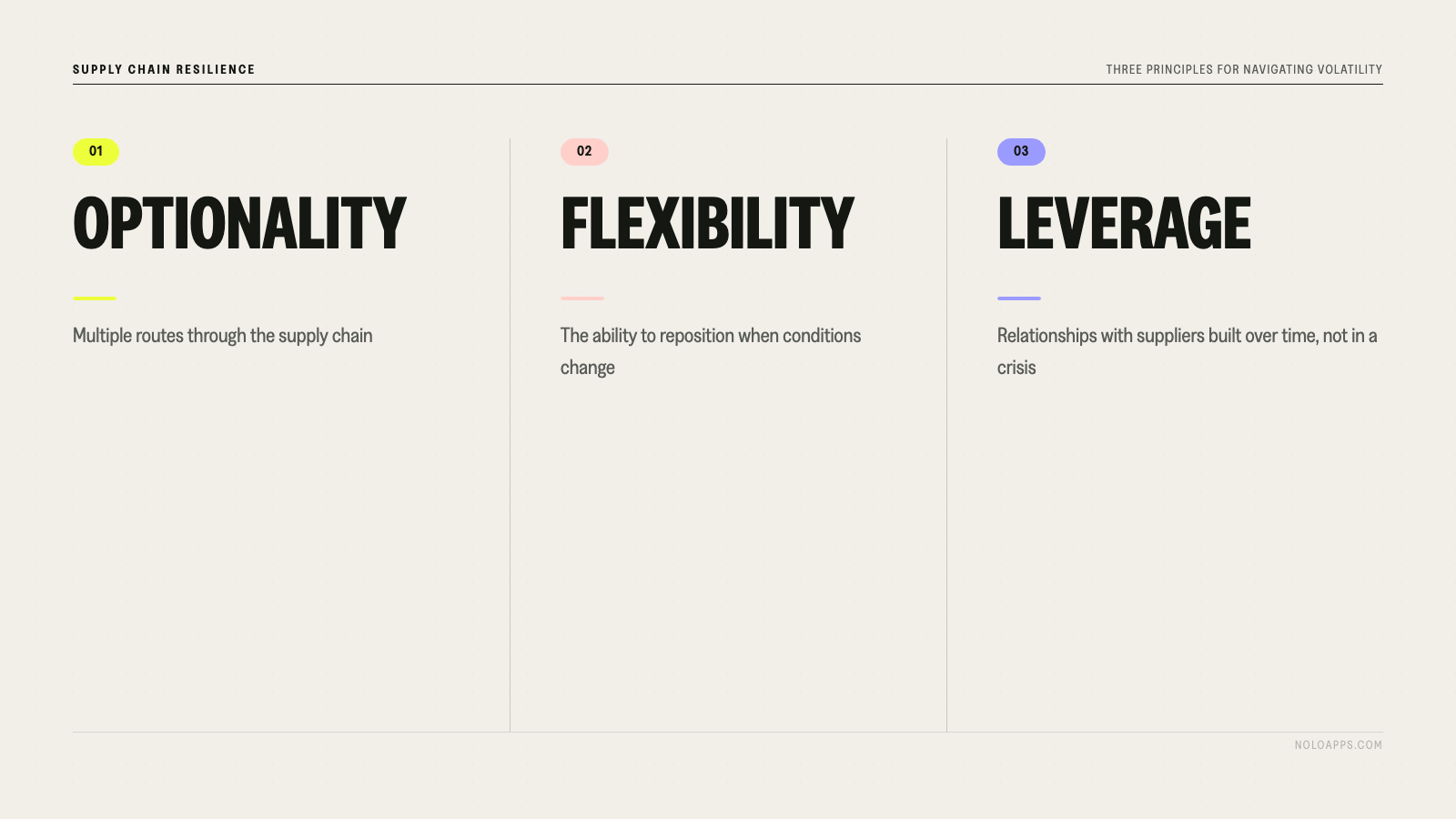
We get into the 13-month master phasing plan that keeps every function at Cuts aligned on the same calendar, how the team uses AI and meeting transcripts to stop relearning the same lessons every season, and the 3 principles Sean ran through when 2025 tariffs hit: optionality, flexibility, and leverage.

The supplier relationship section is worth the watch on its own. Sean's team spent years building factory relationships as genuine partnerships, visiting monthly in the early years. When tariff volatility arrived, those vendors showed up in ways that transactional procurement simply can't buy in a crisis.

The insight I keep coming back to: Cuts came into fashion with no fashion background, and Sean's view is that the outsider perspective was the asset. The team didn't inherit the industry's assumptions about how it had always been done.

But Sean and the team needed a foundation for that thinking to actually land. So they built one. A 13-month calendar the whole company runs off. A clean source of truth every function reads from. A consistent hindsighting rhythm that compounds learning season on season. Working within those, Sean and the team had the stability to ask different questions, and to think differently about the calendar, the supply chain, and what the brand was actually building toward.

Sean puts it better than I can: "if you put yourself in a box, you'll live within it." Sean and the team built the structural discipline to stay out of it.

Watch this one.

3 things from this episode

01
Having clean data isn't just good housekeeping. Teams that master their source of truth make better decisions faster when conditions change.
02
The 3 things every DTC supply chain needs before a shock arrives: optionality (multiple sourcing routes), flexibility (the ability to reposition quickly), and leverage built through genuine supplier relationships.
03
Operational structure is what gives creative thinking room to land. When Sean and the team knew the walls, they had the space to work beyond them.