MENU

Don't miss the drop

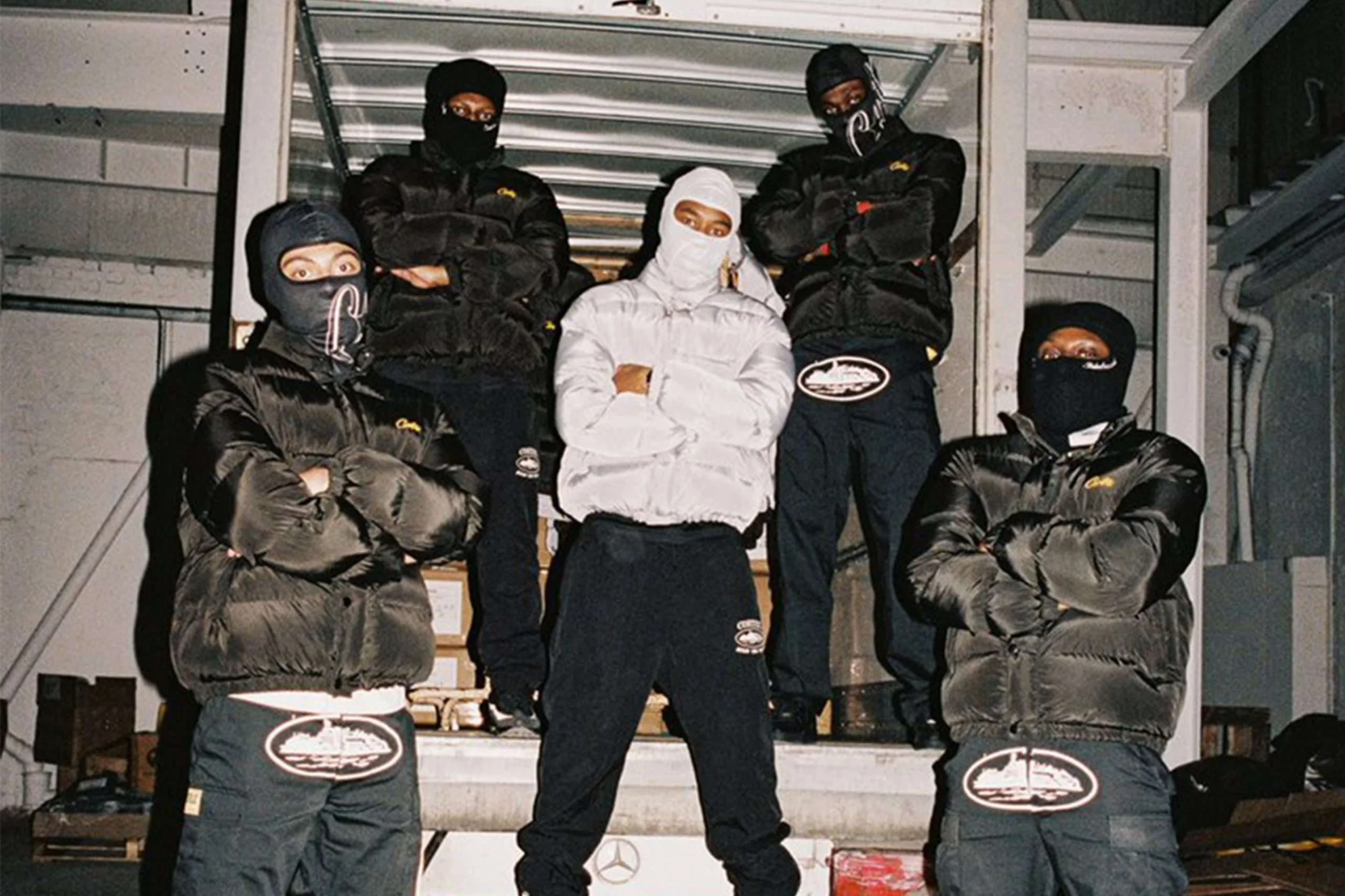
The drop model is one of the most commercially effective things to happen to fashion in the last decade. Controlled scarcity, community-first marketing, sell-outs that feel like cultural events. Brands built on this model have proven you can build serious revenue with a small team, without a traditional retail footprint, and without compromising on how the brand looks and feels.

What they've also proven, usually accidentally, is that the drop model creates operational complexity that scales faster than the team does.

Every drop is essentially a new product run. There's no replenishment cycle, no standard reorder, no settled rhythm of "we made 500 of these last time, let's make 500 again." Each season brings new styles, new colourways, new factories, new delivery dates. And the team managing all of it is deliberately small: 2, 3, maybe 5 people. That's not a flaw in the model; it's part of how it maintains creative control and margin. But it puts real pressure on the back office in a way that doesn't show from the outside.

The result, at a certain point in a brand's growth, is predictable. There's a Google Sheet (or several) with what feels like a million tabs. Shopify for product listings and orders. A factory relationship or two managed mostly through WhatsApp. Purchase orders cut manually, one by one, re-keying data from the sheet into a template. The whole thing held together by whoever built it, who is usually also the person running production.

This setup gets brands surprisingly far. The problem is the moment it stops working isn't gradual. It's sudden.

"The initial goal is simple: centralise the product creation and the SKUs, and then cut orders from it. Everything in one system."

Head of Production, drop-model brand

Where it breaks

The specific cracks in this setup follow a pattern. Product catalogue data gets duplicated because nobody's checking for existing records before creating new ones. Shopify doesn't warn you. A style that drops, sells out, and comes back 8 months later in a new colourway ends up with 3 or 4 entries, none of which anyone is confident is current. The catalogue drifts.

On the purchasing side, cutting a purchase order manually for every style (covering multiple colourways, multiple factories, multiple delivery dates aligned to a drop calendar) is slow in a way that compounds. It's not just the time. It's that the process is entirely dependent on one person's knowledge and bandwidth. If that person is out, the PO doesn't get cut. If they're in a rush, something gets missed. If a factory needs a photo reference for what to make, they're getting a text description that may or may not translate cleanly.

The wholesale dimension adds another layer. Brands that sell direct-to-consumer and into wholesale simultaneously often need the same product data to do different things: generate a consumer-facing Shopify listing, produce a wholesale line sheet, and create a split purchase order sending units to different destinations. Right now, that's usually 3 different manual processes pulling from the same spreadsheet.

These aren't small inefficiencies. At £2M revenue they're manageable. At £5M, £10M, and beyond, they become the ceiling.

The wrong tool for the job

The obvious answer is enterprise software. An ERP, or one of the big PLM platforms built for fashion at scale. The problem is those systems were designed for a different kind of business: large buying teams, long planning cycles, stable product hierarchies, and IT resource to implement and maintain them. A drop-model brand with 3 people in production and a 6-week drop cadence doesn't have any of those things. We've seen brands replace enterprise PLM platforms (systems with six-figure licence fees and 12-month implementation timelines) because the complexity and overhead didn't fit how they actually worked.

What these brands need is a system built around the drop model specifically. The data structure, the workflow, the team size. Not an approximation of how a bigger business does it.

Foundations first

In practice, that starts with getting the product data structure right. Style to colourway to variant to SKU, with SKU generation and barcode allocation automated from the moment a product record is created. Every colourway attached to the right record. No duplicates. The product catalogue becomes the single source of truth that feeds Shopify, informs the buying process, and provides the data layer for everything downstream.

The buying workflow follows from there. The range planning stage (deciding what you're going to buy, in what quantities, against which drop months) should live in the same system as the product data. When that connection is clean, creating a purchase order becomes a mechanical output, not a manual exercise. Select the styles. Apply a size curve. Generate the PO with product photos, colourway specs, and delivery dates mapped to the drop calendar, by supplier. One click. Visual, accurate, and ready to send.

From there, the same system can track inbound shipments, model cash flow against vendor payment terms, produce wholesale line sheets, and feed a visual range plan. These aren't separate tools bolted together. They're downstream outputs of the same data, which means when something changes (a delivery date shifts, a vendor's terms change, a colourway gets dropped) the whole picture updates.

What that looks like in practice is a team of 2 or 3 people running the full product and purchasing operation for a brand at serious volume. Production cuts POs to multiple factories across multiple countries without rebuilding anything from scratch. The warehouse has forward visibility on what's arriving and when. Finance can see committed spend against incoming revenue by month. And when the brand is ready to connect that data to AI for supplier analysis, sampling performance, or cost benchmarking, the data layer is already there.

That last point matters more than it might seem. The brands that will win in the next few years are the ones whose operational data is clean, structured, and accessible. The drop model is already built on scarcity and precision. The back office needs to match.

Build the right foundation early. The drops will take care of themselves.